
Homemade Hard Candy

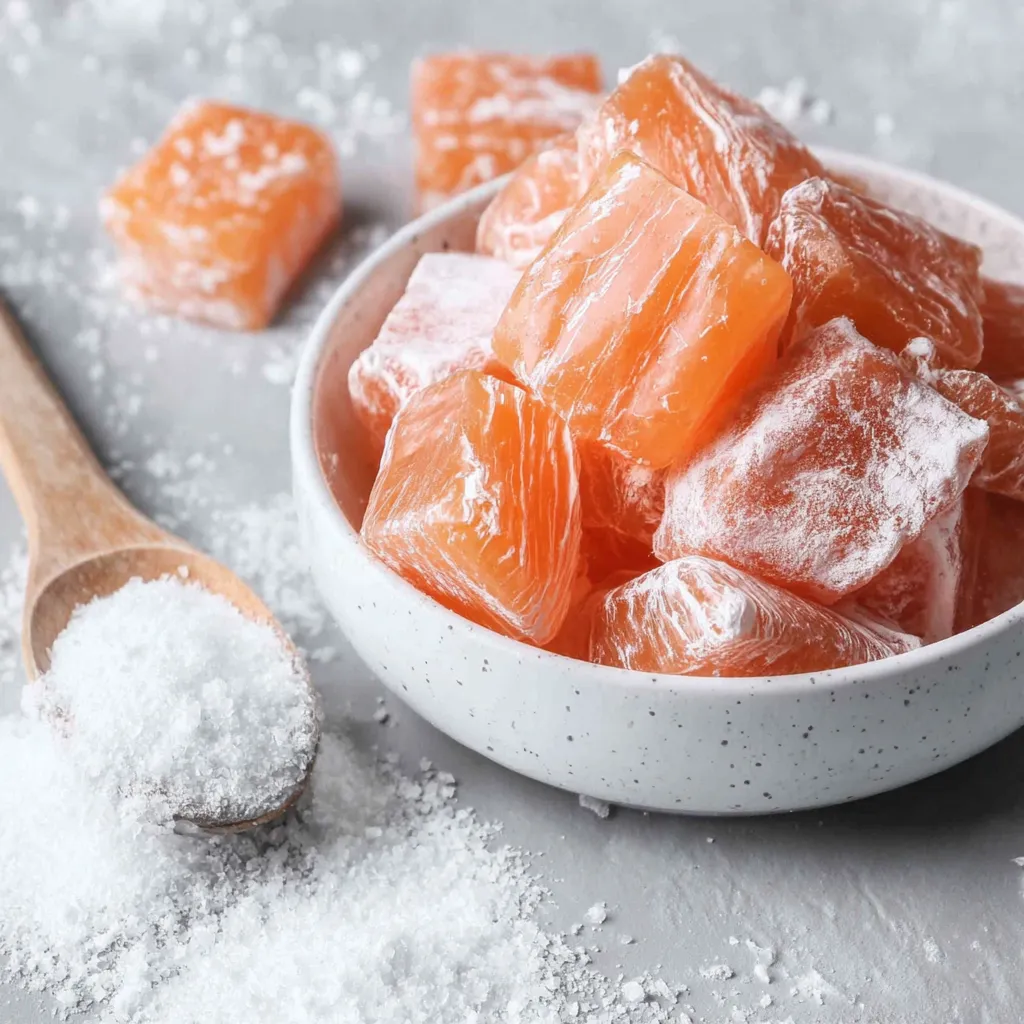
Classic old-fashioned hard candy made from a simple sugar syrup, flavored and colored to your liking—perfect for gifts, holiday bowls, or sweet cravings.
Why You'll Love This Recipe
- This method uses only pantry staples and takes little active time—about 10 minutes of cooking—making it accessible for weeknight treats or last-minute gifts.
- The technique prevents crystallization, so you get a clear, glossy finish without graininess; once you learn the hard-crack temperature, you’ll repeat it confidently.
- Flexible flavoring: use 1 to 2 teaspoons of extract per batch to dial intensity from subtle to bold; citrus oils and anise create very different finished pieces.
- Make-ahead friendly—candies store well in a covered container for weeks—great for party prep and holiday trays.
- Perfect for decorating: add liquid food coloring for bright hues or keep clear for classic lozenges; coating in confectioners’ sugar prevents sticking and makes cutting easy.
- Kid-friendly observation project: children can watch the transformation from bubbles to amber liquid (adults should handle the hot syrup and pouring).
I’ve handed out these candies at winter gatherings and tucked them into care packages. My family always remarks on the clean flavor and the satisfying snap. One year I colored half the batch orange and half yellow for a birthday party; the kids loved helping cut the strips under supervision, and guests kept asking how simple they were to make.
Ingredients
- Granulated sugar: 2 cups — use standard white granulated sugar for the cleanest flavor and the best clear finish; avoid coarse sugar. Brands like Domino or C&H work well.
- Light corn syrup: 3/4 cup — light corn syrup helps prevent crystallization and yields a smooth, glassy texture; Karo brand is a reliable choice.
- Water: 1/2 cup — just enough to dissolve the sugar at the start and create even heat distribution during cooking.
- Confectioners’ sugar: 5 to 6 cups — used as a working surface and coating; provides a nonstick bed and visual contrast for pouring and cutting.
- Extract: 1 to 2 teaspoons anise, lemon, or orange — choose high-quality extracts or essential oils for potent flavor; adjust to taste and strength of extract.
- Food coloring (optional): Red, yellow, or orange liquid food coloring — a few drops are enough; gel colors are concentrated, so use sparingly.
Instructions
Prepare the Pan: Spread 5 to 6 cups of confectioners’ sugar evenly in a 15 x 10 x 1-inch rimmed baking pan to a depth of about 1/2 inch. Use the handle of a wooden spoon to press a continuous curved-line indentation in the sugar—this will act as your pouring channel. Check that the sugar bed is level so the syrup runs evenly; set the pan to the side while you make the syrup. Combine Candy Ingredients: In a large, heavy-bottomed saucepan combine 2 cups granulated sugar, 3/4 cup light corn syrup, and 1/2 cup water. Place the pan over medium heat and stir gently just to dissolve dry crystals. Use a heatproof spatula to keep sugar from sticking to the pan’s sides. Once dissolved, stop stirring to avoid introducing crystals. Dissolve Sugar Crystals: When the mixture reaches a full boil, cover the saucepan with a lid and let it cook for 3 minutes without stirring. The trapped steam melts any stray sugar crystals on the sides. After 3 minutes remove the lid and continue to cook, monitoring carefully with a candy thermometer. Cook to Hard-Crack Stage: Increase heat to medium-high and cook the syrup without stirring until the thermometer registers 300°F (hard-crack stage). Expect this to take several minutes; watch for the syrup to turn amber and for bubbles to become smaller and more rapid. If the syrup smokes or colors too dark, remove from heat quickly to prevent burning. Add Flavor and Color: Immediately remove the pan from heat and let the bubbling settle for a few seconds. Stir in 1 to 2 teaspoons of your chosen extract; add a few drops of liquid food coloring if desired. Stir briskly but carefully—the syrup will be extremely hot and aromatic. Pour Candy into Mold: Pour the hot syrup into a heatproof glass measuring cup for control, then work quickly to pour the syrup into the indentation in the confectioners’ sugar bed. The sugar bed helps shape the candy and prevents it from spreading too thin. Coat and Cool: Generously sift or sprinkle more confectioners’ sugar over the surface of the poured syrup to prevent sticking. Allow the candy to cool completely at room temperature until firm to the touch, about 30 to 60 minutes depending on room conditions. Cut and Store: Once cool, use scissors to cut along the sugar indentation into bite-sized pieces. Shake off excess confectioners’ sugar and store candies in a tightly covered container at room temperature. Properly stored, they will keep for several weeks.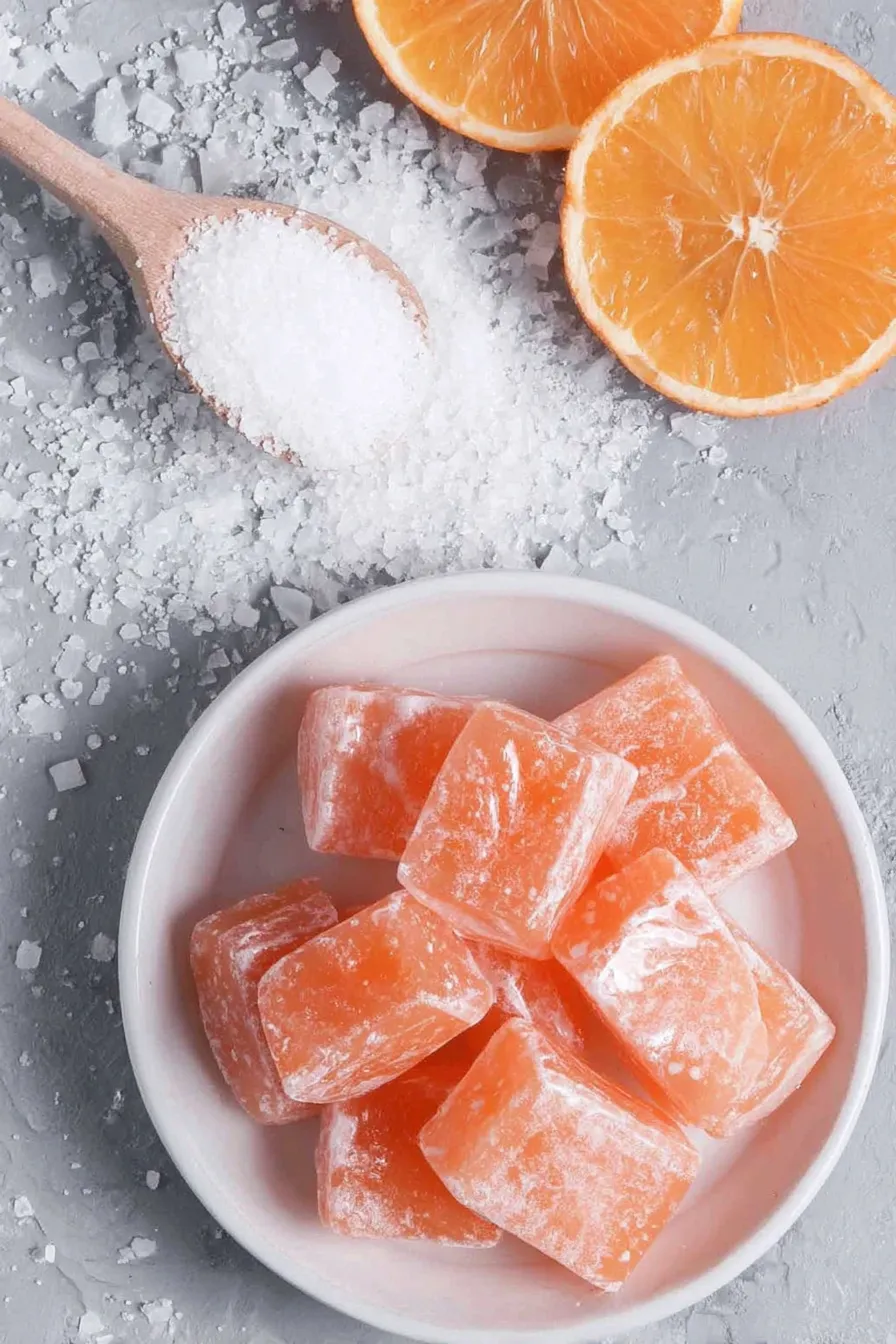
You Must Know
- Hard-crack stage (300°F) is critical: use a reliable candy thermometer and remove the syrup promptly to avoid burnt flavor and overly dark color.
- Coating and working in confectioners’ sugar prevents sticking and makes it simple to cut neat pieces; powdered sugar also absorbs tiny amounts of surface moisture.
- Store candies in a cool, dry place in a tightly sealed container to maintain crispness; humidity will soften the candy.
- This preparation contains no dairy or gluten, but check extract labels for unusual additives or allergens; some colors are more stable than others under heat.
My favorite aspect is the immediate visual reward: glossy poured candy that cools into translucent jewels. Friends often comment on how professional the candies look despite their simple ingredients. The process teaches patience and temperature control—once you master it, you’ll confidently create flavors and colors for every occasion.

Storage Tips
Store the finished pieces in an airtight container at room temperature, ideally with a layer of parchment between layers to prevent sticking. Avoid refrigeration because humidity will soften the candy. For longer storage, keep candies in a cool, dry pantry; they will retain texture for several weeks. If you live in a humid climate, add a small packet of desiccant (not in direct contact with the candy) or store in a tightly sealed tin. When reheating leftovers is necessary, briefly warm under low oven heat on a lined sheet to restore a bit of sheen but note that reheating can change texture.
Ingredient Substitutions
If light corn syrup is unavailable, golden syrup or glucose syrup can be substituted in roughly the same volume but the final texture may vary slightly; these alternatives still help prevent crystallization. For extract choices, citrus and anise oils are strong—use just 1/2 teaspoon of essential oil or 1 to 2 teaspoons of extract depending on potency. If you prefer natural color, small amounts of beet or turmeric-infused oil can tint pieces, but expect more muted hues. Avoid using unrefined sugar or coconut sugar; they introduce color and change the glassy clarity.
Serving Suggestions
Serve the candies in small paper candy cups, glass bowls, or tied cellophane bags for gifting. They pair nicely with espresso or a citrus-forward tea; anise-flavored pieces complement coffee well. For parties, arrange mixed colors in a clear bowl for visual appeal. Use themed colors for holidays—orange and yellow for fall, red for Valentine’s Day. A light dusting of extra confectioners’ sugar before packing helps maintain separation and ease of handling.
Cultural Background
Hard candy has a long history across many cuisines, from Victorian boiled sweets in England to traditional holiday lozenges in European households. The technique of boiling sugar to specific stages was refined in 19th-century confectionery; controlling temperature allowed confectioners to create distinct textures like soft-ball, firm-ball, and hard-crack. In the United States, flavored boiled candies have been popular as homemade treats and small-town candy shops, and the method remains a foundational skill in confectionery arts.
Seasonal Adaptations
Adjust flavors and colors seasonally: peppermint or red-and-white swirls for winter holidays, lemon or pastel colors for spring, and warm orange or cinnamon for autumn. For summer, clear citrus candies are refreshing and look beautiful in glass jars. You can also infuse the water with steeped tea or herb reductions before combining with sugar for subtle herbal notes, but strain well to remove solids to keep clarity.
Meal Prep Tips
For making multiple batches ahead, line several pans with confectioners’ sugar at once and label them with intended flavors. Work in small batches when adding color or very strong extracts to avoid over-flavoring. Use a dedicated candy thermometer and a heavy-bottomed saucepan to ensure repeatable results. Clean pans and utensils promptly—dried sugar is difficult to remove. If planning to gift, package candies in airtight containers and add a fresh layer of powdered sugar right before sealing to prevent surface tackiness.
Making these candies is a joyful mix of chemistry and craft. Whether you make them for a celebration or a quiet afternoon project, they carry the warmth of hands-on cooking and the satisfaction of transforming simple ingredients into small edible treasures. Share them, store them carefully, and adjust flavors to make the recipe your own.
Pro Tips
Use a reliable candy thermometer and test accuracy in boiling water if unsure before starting.
Cover the pot for 3 minutes after the syrup begins boiling to dissolve stray crystals and prevent graininess.
Always pour and handle the syrup with heat-resistant gloves or long-handled tools; the liquid is over 300°F and will cause severe burns.
Work quickly when adding color and pouring; the syrup sets fast once off the heat.
If your candy begins to crystallize, you can reheat gently with a small splash of water and a spoonful of corn syrup to smooth it.
This nourishing homemade hard candy recipe is sure to be a staple in your kitchen. Enjoy every moist, high protein slice — it is perfect for breakfast or as a wholesome snack any time.
Tags
Homemade Hard Candy
This Homemade Hard Candy recipe makes perfectly juicy, tender, and flavorful steak every time! Serve with potatoes and a side salad for an unforgettable dinner in under 30 minutes.
Ingredients
Candy Base
Preparation and Finishing
Instructions
Prepare the Pan
Spread 5 to 6 cups confectioners’ sugar in a 15 x 10 x 1-inch pan to a depth of about 1/2 inch. Use a wooden spoon handle to carve a continuous curved-line indentation to guide pouring and shaping.
Combine Candy Ingredients
In a large heavy saucepan combine 2 cups granulated sugar, 3/4 cup light corn syrup, and 1/2 cup water. Heat over medium, stirring just until sugar dissolves. Stop stirring as you approach boiling to avoid crystals.
Dissolve Sugar Crystals
When mixture reaches a boil, cover the pan and cook for 3 minutes. This melts any stray crystals on the sides. Remove lid and continue cooking while monitoring temperature.
Cook to Hard-Crack Stage
Increase heat to medium-high and cook without stirring until candy thermometer reads 300°F (hard-crack). Watch color and bubble size—remove promptly to avoid burning.
Add Flavor and Color
Remove pan from heat. Stir in 1 to 2 teaspoons of chosen extract and a few drops of food coloring. Mix quickly but carefully to combine without introducing air.
Pour into Mold and Coat
Transfer hot syrup into a heatproof glass measuring cup and pour into the sugar-lined indentation in the pan. Immediately dust the top with confectioners’ sugar to prevent sticking.
Cool, Cut and Store
Allow to cool until firm, about 30–60 minutes. Use scissors to cut into pieces along the indentation. Store in an airtight container at room temperature.
Last Step: Please leave a rating and comment letting us know how you liked this recipe! This helps our business to thrive and continue providing free, high-quality recipes for you.
Nutrition
Did You Make This?
Leave a comment & rating below or tag
@gusteen on social media!
Categories:
You might also like...
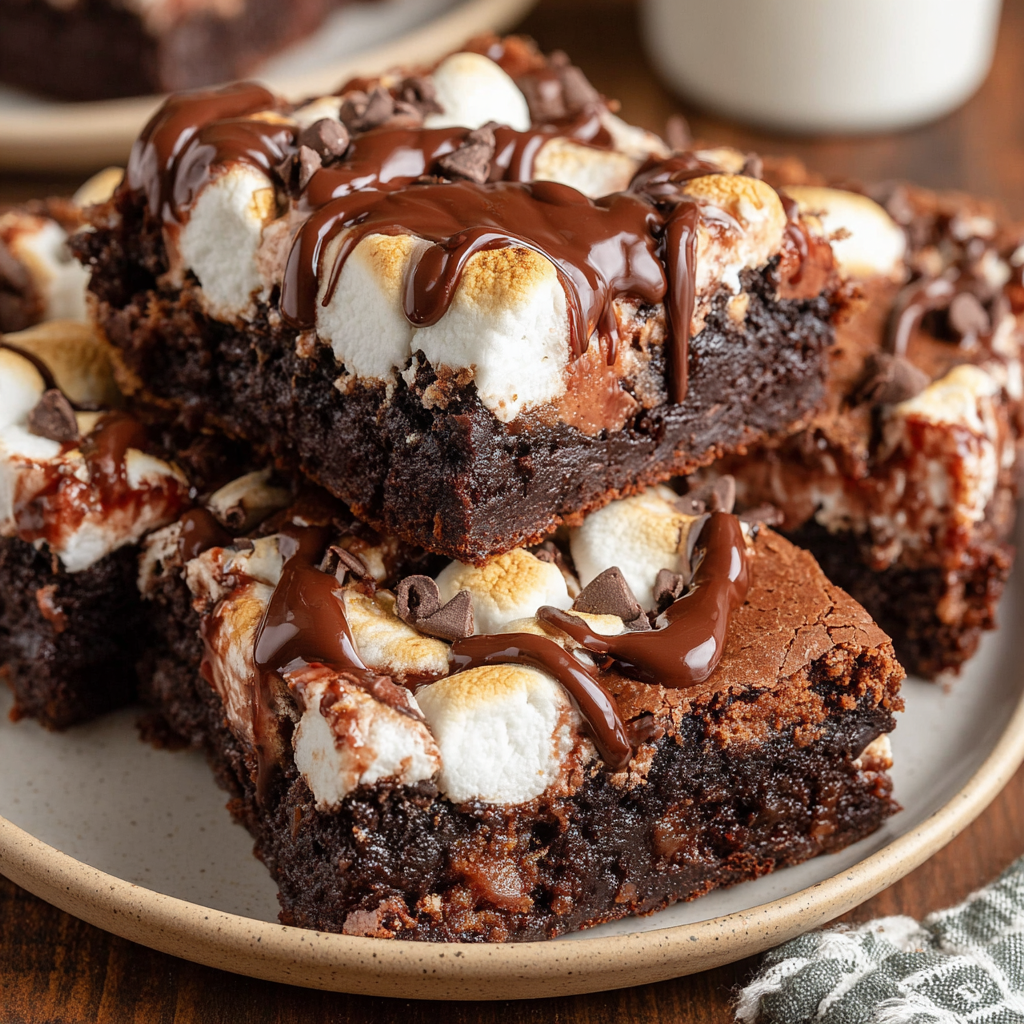
Fudgy Mississippi Mud Brownies
Ultra-fudgy brownies crowned with melty marshmallows and a glossy cocoa icing. A nostalgic crowd-pleaser that slices cleanly and disappears fast.
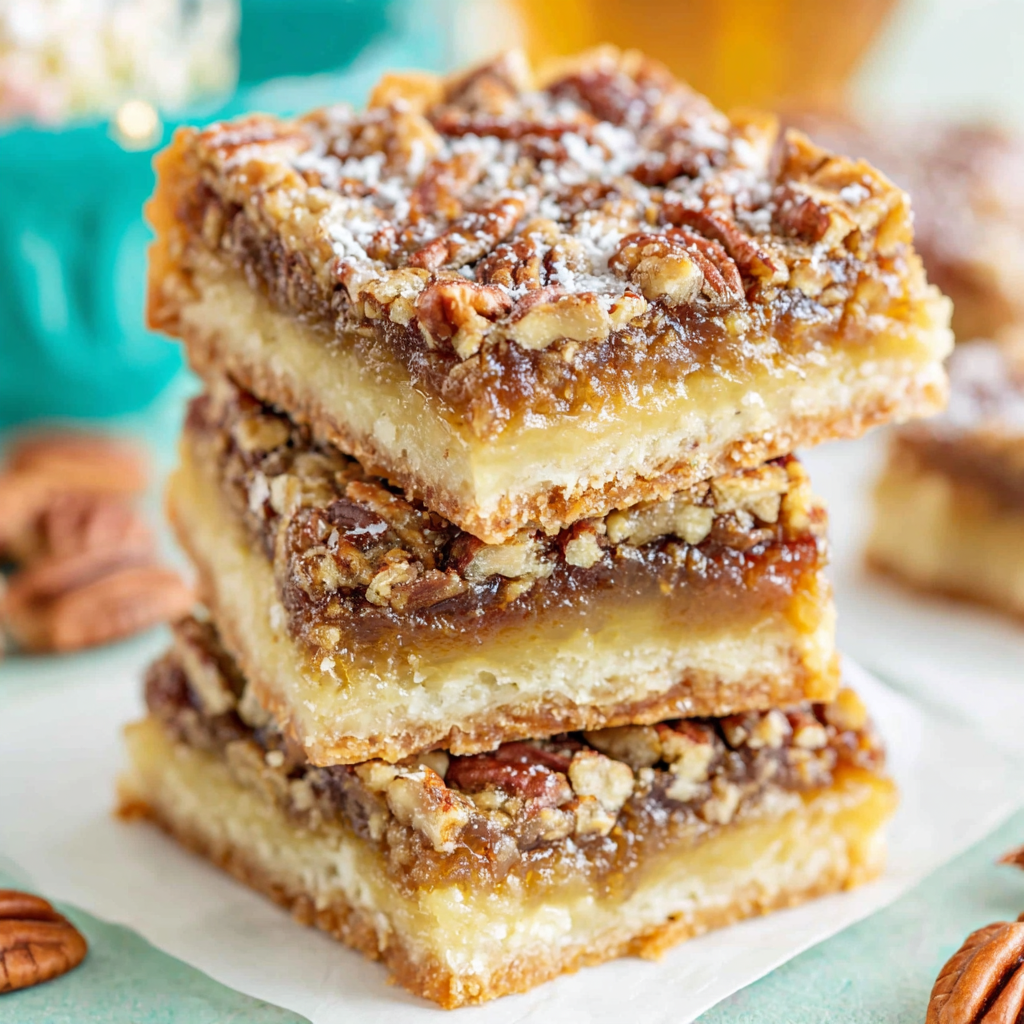
Buttery Pecan Pie Bars
Buttery shortbread crust meets gooey brown-sugar pecan filling in these quick, crowd-pleasing bars, prepped in just 10 minutes.
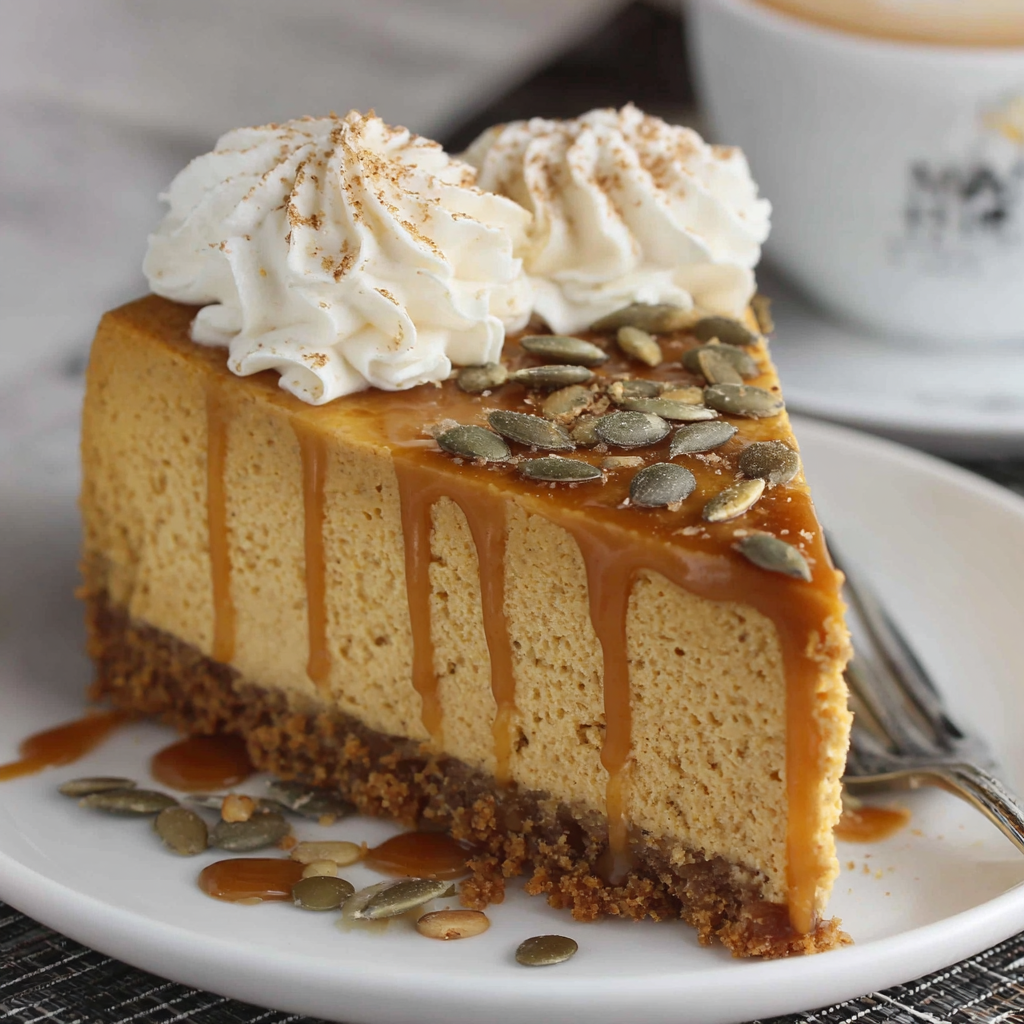
No-Crack Pumpkin Cheesecake
Ultra-smooth pumpkin cheesecake with warm spice, sturdy graham crust, and a foolproof, crack-free bake. Perfect with caramel and whipped cream.
Did You Make This?
Leave a comment & rating below or tag @gusteen on social media!
Rate This Recipe
Share This Recipe
Enjoyed this recipe? Share it with friends and family, and don't forget to leave a review!
Comments (1)
This recipe looks amazing! Can't wait to try it.
Comments are stored locally in your browser. Server comments are displayed alongside your local comments.

Hi, I'm Charlotte!
What's Popular
30-Minute Meals!
Join to receive our email series which contains a round-up of some of our quick and easy family favorite recipes.