
Hummus Without Garlic | Gusteen
30-MINUTE MEALS! Get the email series now
Royal Recipe

Hummus Without Garlic

5 from 1 vote
1 Comments
Charlotte Anne
By: Charlotte AnneUpdated: Dec 6, 2025
This post may contain affiliate links. Please read our disclosure policy.

A silky, bright hummus that skips the garlic without sacrificing depth — perfect for sensitive palates, make-ahead trays, and creamy spreads.
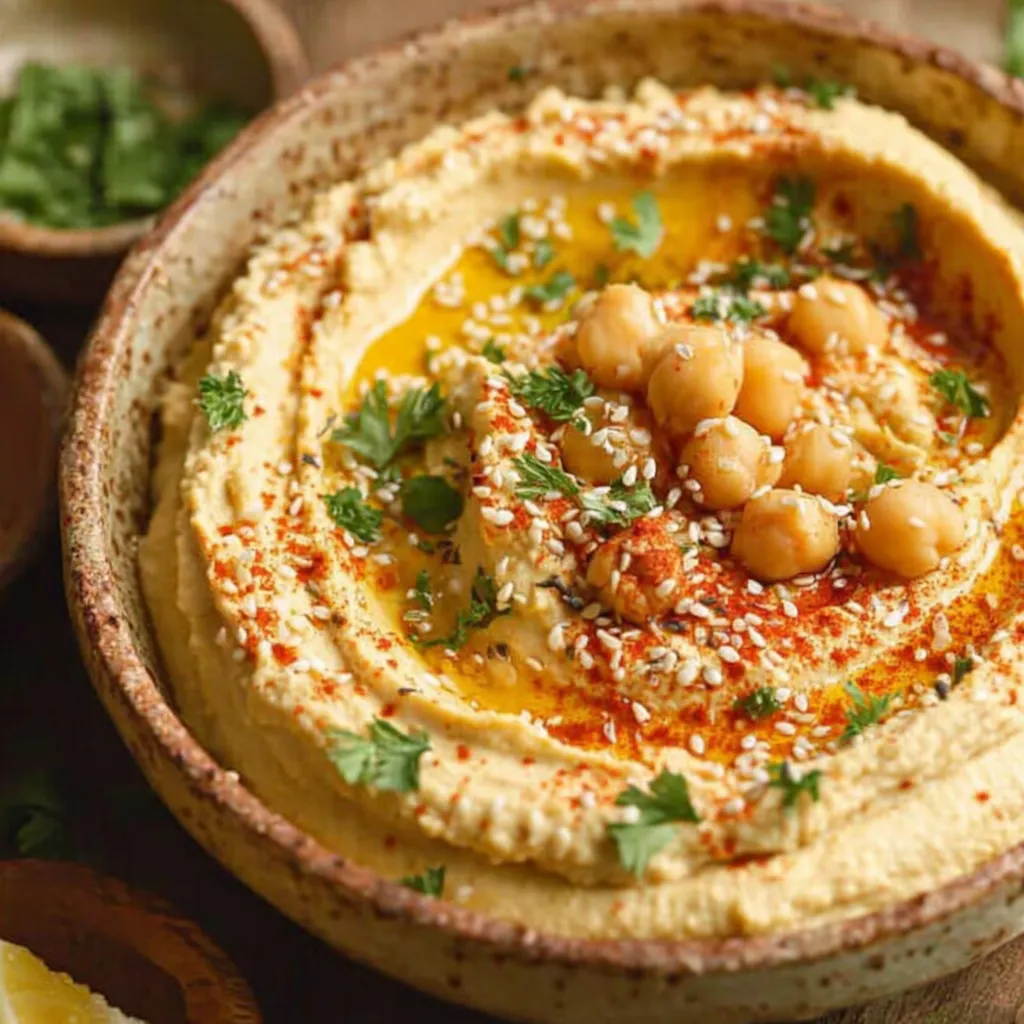
Hummus Without Garlic
This no-garlic hummus has been a quiet hero in my kitchen for years, the kind of recipe that shows up at weeknight dinners, holiday mezze spreads, and when friends drop by with unpredictable food sensitivities. I discovered this version one afternoon while making lunch for a neighbor recovering from a cold who wanted everything mellow and gentle. By dialing up lemon, tahini, and a pinch of smoked paprika, I found a hummus that tastes open, nutty, and rounded without a touch of raw garlic. The texture is creamy and pillowy, and the mouthfeel reminds me of a good ricotta spread with Middle Eastern soul. Everyone who tried it — even garlic lovers — asked for seconds. I love this recipe because it’s forgiving and fast: everything goes into a food processor and in under 10 minutes you have something worthy of company. The ice cubes are a small trick I learned to help create a lighter, whip-like texture without diluting the flavor. The smoked paprika and cumin give the backbone of warmth and a subtle smokiness, while extra olive oil at the end keeps the surface glossy and luscious. When I serve it, family members inevitably comment on how fresh and bright it feels, and kids are more likely to try it when it’s presented with colorful veggie sticks and warm pita.

Why You'll Love This Recipe

  • Ready in about 10 minutes from start to finish — toss everything into a food processor and blend until silky smooth for a fast, impressive dip.
  • Garlic-free but full of flavor: lemon, tahini, cumin, and smoked paprika create a layered profile that satisfies both garlic avoiders and fans alike.
  • Uses pantry staples: canned chickpeas, tahini, olive oil, and basic spices — ideal for last-minute guests or budget-friendly meals.
  • Make-ahead friendly: the hummus holds well in the fridge for up to 4 days and freezes nicely for up to 3 months if stored airtight.
  • Versatile: serves as a dip, spread for sandwiches and wraps, or a creamy base for grain bowls and roasted vegetables.

I first served this at a summer potluck and watched people come back repeatedly for pita — my neighbor, who couldn't tolerate raw garlic, declared it the best hummus she’d ever had. Since then it’s become my go-to when I want something crowd-pleasing but gentle on the palate.
Ingredients

  • Chickpeas: 1 (15-ounce) can, drained and rinsed — canned is convenient and gives consistent texture; look for BPA-free cans when possible and reserve a few pods or liquid to adjust consistency if needed.
  • Tahini: 1/4 cup — choose a well-stirred, runny tahini (sesame paste) like Soom or Joyva for a smooth emulsion; hulled sesame paste results in a creamier finished spread.
  • Olive oil: 2 tablespoons plus more for drizzling — use extra virgin olive oil for flavor, and choose a fruity, peppery bottle for the final drizzle when serving.
  • Lemon juice: 2 tablespoons freshly squeezed — fresh lemon brightens the dip and provides acidity that replaces the bite garlic would usually provide.
  • Ground cumin: 1/2 teaspoon — toast whole seeds lightly and grind for an extra fragrant note, or use quality ground cumin for convenience.
  • Smoked paprika: 1/4 teaspoon — adds color and a whisper of smoke; adjust up to 1/2 teaspoon if you prefer a bolder smoky note.
  • Salt: 3/4 teaspoon — kosher salt works well; adjust at the end to taste to avoid over-salting when using canned chickpeas.
  • Ice cubes: 2 to 3 — the secret to a light, airy texture; they chill and emulsify the mixture without watering it down.
  • Water: 2–3 tablespoons as needed to reach desired creaminess — add gradually for control.
  • Garnishes (optional): chopped parsley and sesame seeds for color and texture; extra smoked paprika and an olive oil drizzle make it look professional.

Instructions

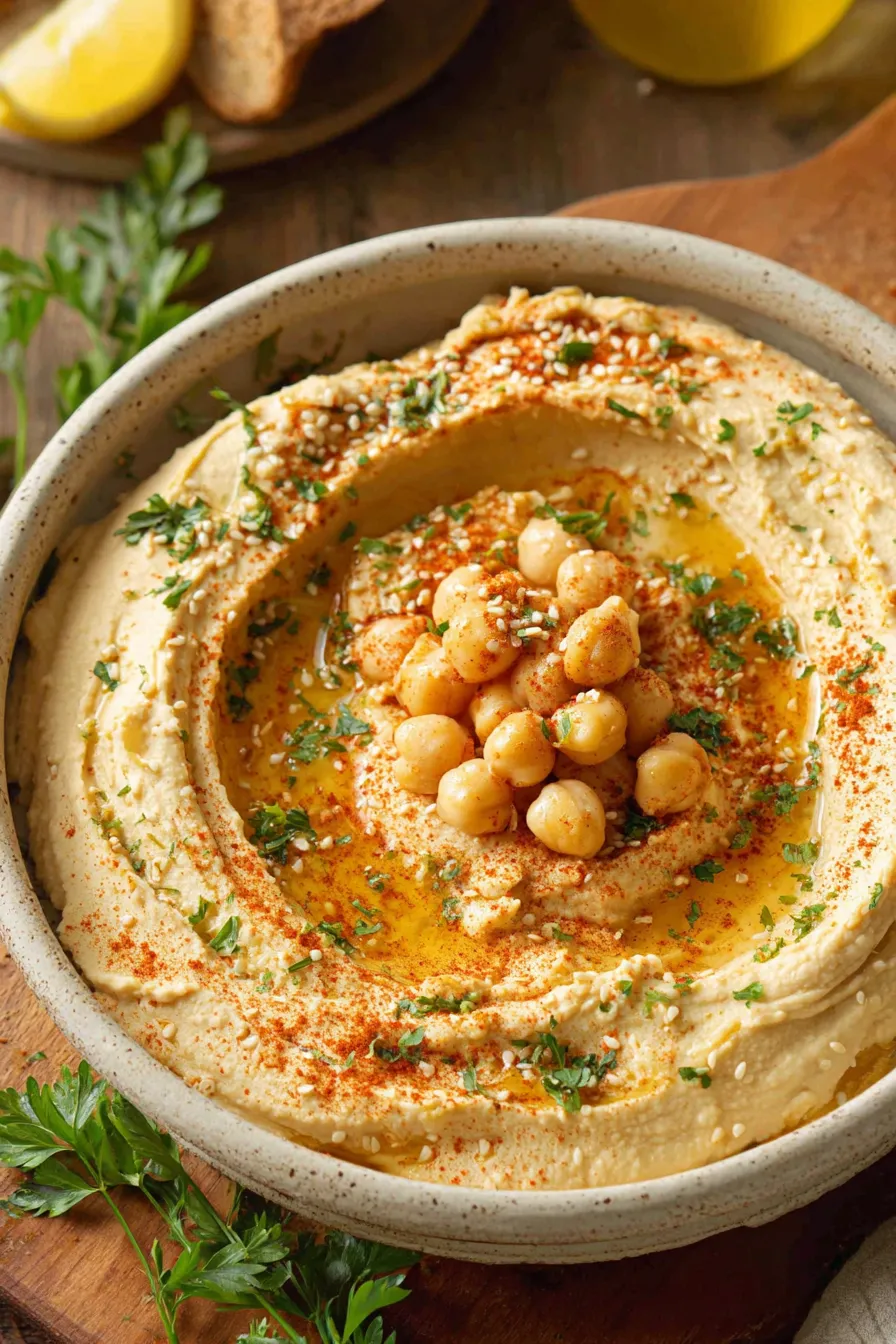
Combine the base: In a food processor, add the drained and rinsed chickpeas, 1/4 cup tahini, 2 to 3 ice cubes, 2 tablespoons olive oil, 2 tablespoons fresh lemon juice, 1/2 teaspoon ground cumin, 1/4 teaspoon smoked paprika, and 3/4 teaspoon salt. The ice cubes will keep the mixture cool and help break down fibers for a creamier texture. Pulse briefly to start breaking down the beans, about 20 to 30 seconds. Blend until smooth: Run the processor on high and scrape down the sides every 20 to 30 seconds. Expect it to take 1 to 2 minutes to reach a mostly smooth consistency; the motor needs to work against whole chickpeas, so be patient. If your machine struggles, stop and scrape more frequently to avoid overheating. Adjust texture: Add water, one tablespoon at a time, blending between additions until the hummus achieves a light, creamy mouthfeel. Typically 2 to 3 tablespoons total is enough, depending on the tahini thickness and chickpea firmness. Aim for a viscosity that will mound on a spoon but still be spreadable. Taste and balance: Taste and adjust salt and lemon juice to your preference. If you want a warmer spice, increase cumin by 1/4 teaspoon. Remember that flavors blossom after resting 10 to 30 minutes, so err slightly on the brighter side initially. Serve and finish: Transfer to a shallow serving bowl, smooth the top with the back of a spoon, drizzle with extra olive oil to keep the surface glossy, and sprinkle smoked paprika, chopped parsley, and sesame seeds for color and texture. Serve with warm pita, crisp veggie sticks, or use as a spread in sandwiches. Smooth no-garlic hummus in a bowl with olive oil drizzle

You Must Know

  • This hummus is high in plant protein and fiber thanks to chickpeas, making it a satisfying dip or sandwich spread.
  • Proper storage: keep refrigerated in an airtight container for up to 4 days; freeze for up to 3 months in portions for convenience.
  • Texture tips: warm chickpeas slightly before processing for a silkier result, or peel a few chickpea skins for extra creaminess if you have time.
  • Allergen note: contains sesame from tahini; omit or substitute with sunflower seed butter for a sesame-free version (see substitutions).

My favorite part is how the hummus mellows and develops overnight — the lemon softens, the cumin settles into a warm undertone, and the smoked paprika brightens the top when you reheat or bring it to room temperature. It’s one of those recipes where leftovers taste even better the next day.
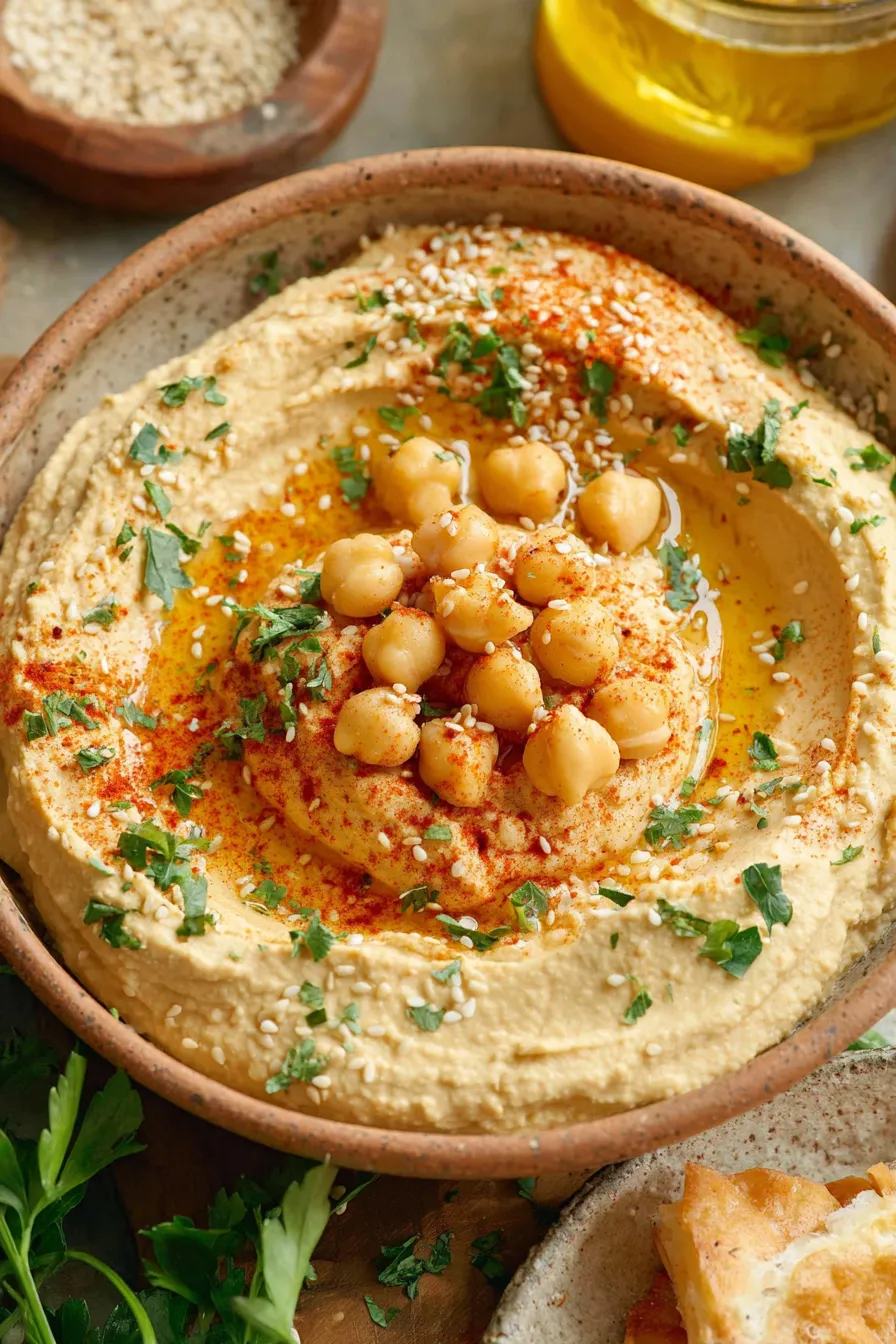
Hummus served with pita and fresh vegetables

Storage Tips

Store the hummus in an airtight container in the refrigerator for up to 4 days; press a piece of plastic wrap directly onto the surface before sealing to minimize oxidation and keep the top glossy. For longer storage, portion into freezer-safe containers and freeze for up to 3 months — thaw overnight in the refrigerator and stir in a teaspoon of olive oil or a splash of water to restore creaminess. When reheating, bring to room temperature rather than microwaving, unless you want it warm: a quick 15-second zap and stir in the microwave will make it slightly looser but still delicious.

Ingredient Substitutions

If tahini is unavailable or you need a sesame-free version, substitute 1/4 cup sunflower seed butter or 1/4 cup plain Greek yogurt for a creamier, tangier profile (note: yogurt makes it non-vegan). For oil-free diets, replace olive oil with 2 tablespoons of water and an extra tablespoon of lemon juice — the texture will be lighter but still satisfying. To avoid canned chickpeas, use 1 1/2 cups cooked chickpeas from dry (about 1/2 cup dried before soaking); cook until very tender for the smoothest texture. For a smoky twist, swap smoked paprika for a light chipotle powder — start with 1/8 teaspoon.

Serving Suggestions

Serve with warm pita triangles, cucumber and carrot sticks, or spread on toasted bagels for a Mediterranean-inspired breakfast. It pairs beautifully with roasted vegetables, grilled chicken, or as a component in grain bowls with quinoa and roasted eggplant. For a party platter, arrange the hummus with olives, pickled peppers, marinated artichokes, and a sprinkle of toasted pine nuts or sesame seeds to add texture and visual appeal.

Cultural Background

Hummus is a staple across the Levant and broader Middle East, with roots that weave through centuries of regional kitchens. Traditionally made with chickpeas, tahini, lemon, and garlic, it appears in countless family recipes and regional variations: some areas favor a smoother, creamier texture, while others enjoy a coarser, more rustic mash. Skipping garlic is less common in many traditional versions but common in households where raw garlic is too pungent for children or sensitive diners. This adaptation honors the classic flavors while making the spread approachable for more palates.

Seasonal Adaptations

In summer, brighten the hummus with extra lemon zest and top with fresh herbs like mint or cilantro for a refreshing lift. In winter, stir in 1/4 cup roasted butternut squash or warm roasted red peppers for a seasonal, comforting variant — increase smoked paprika and cumin slightly to balance the sweetness. Holiday boards benefit from a platter of hummus topped with preserved lemon and pomegranate seeds for color and festive acidity.

Meal Prep Tips

Make a large batch and portion into 1-cup containers for easy lunches and snack trays; pair a single portion with pita and cut vegetables for a grab-and-go option. When prepping for the week, keep a small jar of extra olive oil and chopped parsley on hand to refresh the hummus visually before serving. If you’re assembling a lunch bowl, spoon hummus over grains the night before and top with roasted vegetables in the morning to keep textures distinct.

Finish with a final note: this hummus is an adaptable, forgiving staple that rewards small experiments — a squeeze more lemon, a pinch more cumin, or a change in tahini brand can all create delightful variations. I hope it becomes a pantry favorite in your home as it is in mine.

Pro Tips

  • Use ice cubes while blending to create a lighter, whip-like texture without diluting flavor.

  • Scrape the food processor bowl frequently to ensure even blending and prevent overheating.

  • Adjust lemon and salt at the end — flavors deepen after resting, so it's okay to be slightly brighter initially.

  • If hummus is grainy, blend longer and add 1 teaspoon of water or olive oil at a time until smooth.

This nourishing hummus without garlic recipe is sure to be a staple in your kitchen. Enjoy every moist, high protein slice — it is perfect for breakfast or as a wholesome snack any time.

Tags

Finger Foodshummusgarlic-freeno-garlicdipmezevegetarianMediterraneansnacksGusteen

Recipe data validation failed

Please check the recipe data format. See console for details.

Categories:

Hummus Without Garlic

Did You Make This?

Leave a comment & rating below or tag @gusteen on social media!

Rate This Recipe

Share This Recipe

Enjoyed this recipe? Share it with friends and family, and don't forget to leave a review!

Comments (1)

Leave a Comment

0/1000 characters
Food Lover
1 day ago

This recipe looks amazing! Can't wait to try it.

Rating:

Comments are stored locally in your browser. Server comments are displayed alongside your local comments.

Family Photo

Hi, I'm Charlotte!

Chef and recipe creator specializing in delicious Finger Foods cooking. Passionate about sharing easy-to-follow recipes that bring families together around the dinner table.

30-Minute Meals!

Join to receive our email series which contains a round-up of some of our quick and easy family favorite recipes.